Moisture and condensation can form on components that operate at a different temperature than the surrounding environment. A common example is cold pipes, ducts, or machine parts. When warm, moist air comes into contact with a surface that is cold enough, the temperature can drop below the dew point, causing water to condense on the surface.
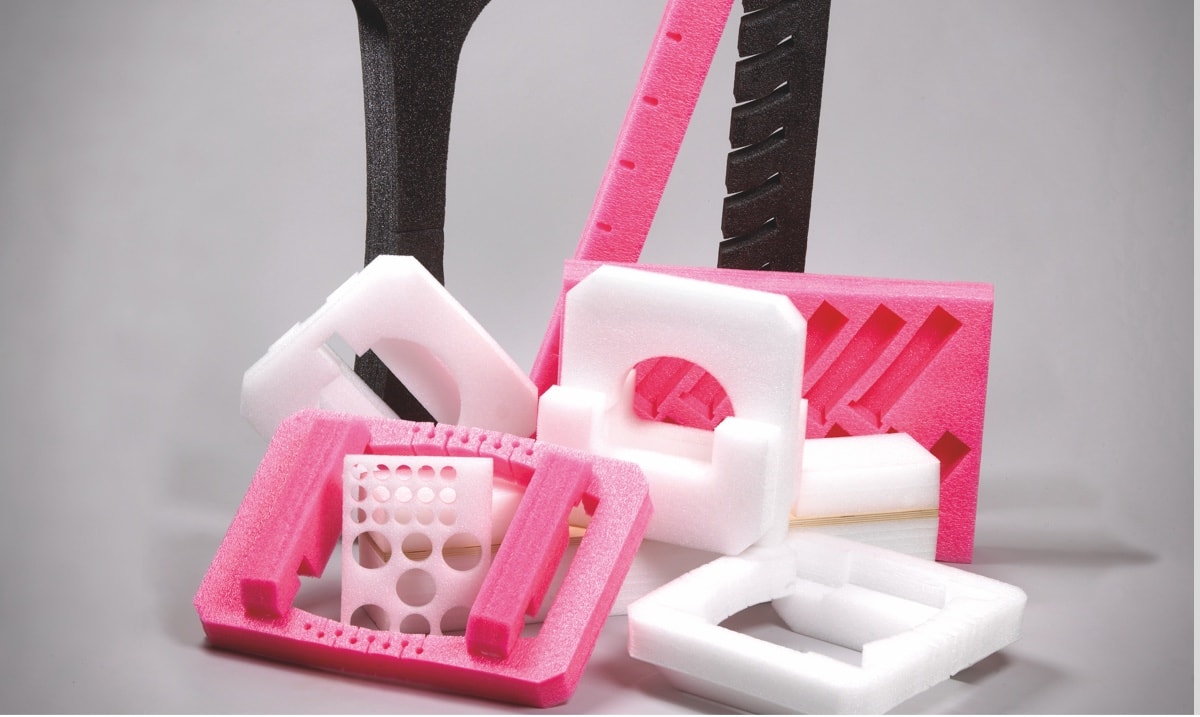
Moisture insulation and condensation insulation are used to reduce this risk. At Cabseal, we work with cellular polyethylene, cellular rubber, and materials specifically designed for condensation insulation. The materials and design are selected based on factors such as temperature, humidity, the component’s shape, and the environment in which the insulation will be used.
Right from the startThat's why condensation forms on cold surfaces
Condensation isn't just a matter of a component being cold. The key factor is the relationship between the surface temperature, the air temperature, and the humidity. If the surface temperature falls below the current dew point, water vapor in the air can condense into liquid on the surface.
That is why the same cooling component can operate without issues in one environment but experience condensation problems in another. A change in, for example, humidity can be enough to alter the conditions.
Materials that limit moisture penetration
For condensation insulation, it is important that the insulation not only slows down heat transfer but also manages moisture properly. Cellular rubber and cellular polyethylene have closed-cell structures, which result in low water absorption and make these materials suitable for use in environments where moisture needs to be kept away from the insulated surface.
The type of material and thickness required depend on the application. For example, insulation around a cold pipe may have different requirements than a custom-cut insulation component installed in a machine or technical enclosure.
For other applications where foam is used—such as filtration, shock absorption, or sound absorption—you can also check out our foam plastic products.
Materials we use to manufacture
The Right Materials for the Right NeedsJoints and bushings are particularly important
Condensation insulation depends on more than just the material itself. If moist air can penetrate through open seams, holes, or poorly fitted penetrations, it can reach the cold surface behind the insulation.
Therefore, the insulation must conform to the shape of the component and create as continuous an insulating layer as possible. For structures with special dimensions or geometries, we can assist with custom-machined insulation components tailored to the substrate.
Are you having problems with condensation, or do you need to protect a component from moisture? Contact us at Cabseal, and we'll help you find the right solution.